
Starting IVF can feel overwhelming, but it becomes much easier once you know what happens and when. This guide walks you through the IVF process step by step, from the first tests to the pregnancy test. One IVF cycle usually takes about 4–6 weeks.
Before IVF: tests and planning
Both partners are evaluated first: an AMH test and ultrasound to check the ovaries, hormone and infection screening, a check of the uterus, and a semen analysis. Your doctor then designs a protocol — the type and dose of medicines — based on your age, ovarian reserve and earlier treatment. In India, IVF is regulated by the ART (Regulation) Act, 2021: clinics must be registered and couples sign detailed informed consent before treatment begins.
Step 1: Ovarian stimulation
Daily hormone injections (gonadotropins) for about 8–12 days help several eggs mature at once, rather than the single egg of a natural cycle. You will have an ultrasound scan, and sometimes a blood test, every few days to track the follicles. A second injection is added to stop the eggs being released too early. The injections are small and most women learn to take them at home.
Step 2: The trigger injection
When the follicles reach the right size, a “trigger” injection completes egg maturation. Egg collection is timed precisely, usually 34–36 hours later, so the timing of this injection is very important.
Step 3: Egg collection
Egg collection (ovum pick-up) is done under short anaesthesia, so you will not feel pain. Using vaginal ultrasound, a fine needle collects fluid from each follicle, and the embryologist finds the eggs under a microscope. It takes about 15–30 minutes and you go home the same day. Mild cramps and spotting for a day or two are common.
Step 4: The sperm sample
On the same day, the male partner gives a semen sample, which is washed and prepared in the lab. Frozen or donor sperm can also be used. If there are no sperm in the semen, they can often be retrieved directly from the testis or epididymis by a small procedure (TESA or PESA).
Step 5: Fertilisation — IVF or ICSI
In conventional IVF, each egg is placed with thousands of sperm and fertilisation happens on its own. In ICSI (intracytoplasmic sperm injection), the embryologist injects a single sperm into each mature egg. ICSI is used mainly for low sperm count or movement, or if fertilisation failed before. The next morning, the lab checks how many eggs have fertilised.
Step 6: Embryo culture
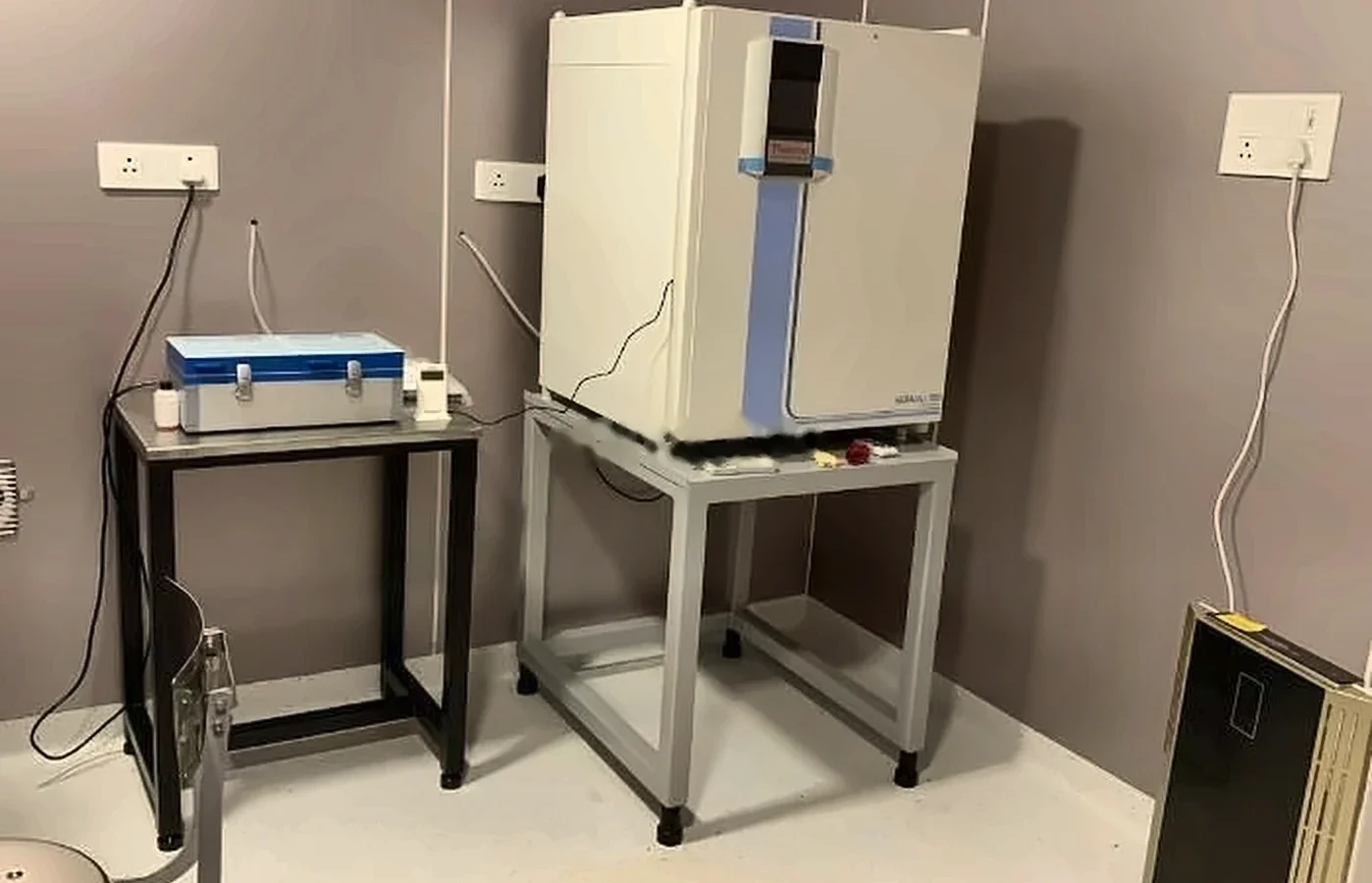
The embryos grow in an incubator that keeps temperature, gases and humidity stable. They are checked on day 3 and often grown to the blastocyst stage on day 5, which helps the embryologist choose the embryo with the best potential.
Step 7: Embryo transfer
Embryo transfer is a simple, painless procedure — similar to a Pap smear — and needs no anaesthesia. Under ultrasound guidance, a soft catheter places the embryo in the uterus. Transferring one embryo at a time is increasingly preferred because twin pregnancies carry higher risks for mother and babies.
Step 8: Freezing extra embryos
Good-quality embryos that are not transferred can be frozen by vitrification (fast freezing). They can be used in a later frozen embryo transfer without repeating stimulation and egg collection. Sometimes doctors freeze all embryos and transfer in a later cycle — for example to reduce the risk of OHSS.
Step 9: The two-week wait and pregnancy test
After transfer you take progesterone (as tablets, vaginal gel or injections) to support the lining of the uterus. A blood pregnancy test (beta hCG) is done about two weeks after the transfer. Home urine tests taken too early can be misleading, so it is best to wait for the blood test.
Possible risks of IVF
- Ovarian hyperstimulation syndrome (OHSS): swollen ovaries and fluid build-up, more likely with PCOS. Modern protocols make severe OHSS uncommon.
- Multiple pregnancy, if more than one embryo is transferred
- Ectopic pregnancy, which is slightly more common than in natural conception
- Small risks from egg collection, such as bleeding or infection
- Emotional stress — counselling and support help many couples
Tips to prepare for IVF
- Start folic acid, and aim for a healthy weight before treatment
- Stop smoking and alcohol — for both partners
- Keep a simple calendar of injections, scans and procedures
- Continue light activity such as walking, and keep your normal routine where you can
- Talk openly with your partner and care team — no question is too small
Frequently asked questions
Is IVF painful?
The daily injections cause only brief discomfort. Egg collection is done under anaesthesia, and embryo transfer usually feels like a Pap smear. Most women find the process much easier than they expected.
Do I need bed rest after embryo transfer?
No. Studies have not shown that bed rest improves the chance of pregnancy. Light normal activities are fine; avoid heavy exercise and heavy lifting until your test.
Can I go to work during IVF?
Most women continue working. You will need time off for scans, the day of egg collection and the day of embryo transfer.
What happens if the first IVF cycle does not work?
Your doctor will review the cycle — the response to medicines, egg and embryo quality — and plan the next step. If you have frozen embryos, a frozen embryo transfer can often be done without another stimulation.
IVF in Hadapsar, Pune at Umang IVF
At Umang IVF, every step — from stimulation and egg collection to ICSI, embryo culture and transfer — happens in our own IVF laboratory under the care of Dr. Asha Gavade. Wondering whether you need IVF at all? Read IVF vs IUI: which is right for you. Message us on WhatsApp at +91 83798 58585 or call +91 98907 99898 to book a consultation with Dr. Asha Gavade. OPD: Monday–Saturday, 10 AM–2 PM.
References
- HFEA — In vitro fertilisation (IVF)
- HFEA — Intracytoplasmic sperm injection (ICSI)
- NHS — IVF
- World Health Organization — Infertility fact sheet
Medical disclaimer: this article is for general information and does not replace a consultation. Every pregnancy and every body is different — please speak to your doctor about your own situation.